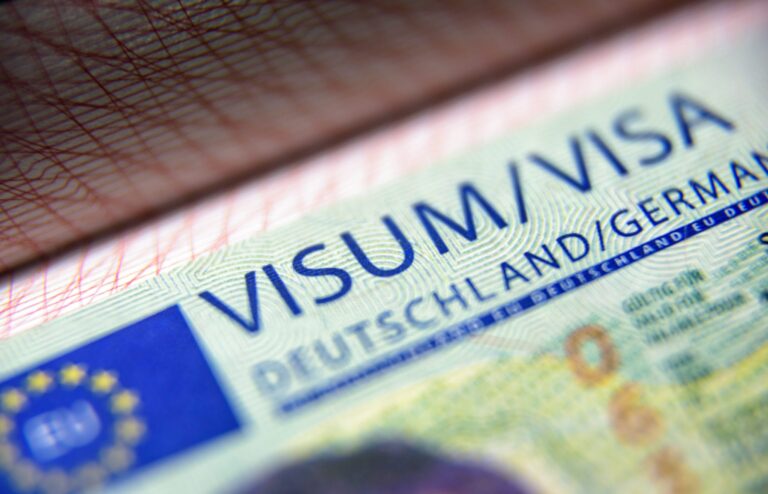
Germany Job Seeker Visa 2026: Application Process, Work Options, and Sponsorship Insights
Searching for a reliable way to apply for high-paying jobs in Germany without making any upfront payments or long trips just to attend interviews?
The Germany Job Seeker Visa 2026 might be your fastest route to sign up for real immigration opportunities, secure full-time employment, and even negotiate retirement benefits from employers.
They benefit from cities like Berlin, Hamburg, Toronto, and London, yes, salaries often start from €38,000 to €95,000 yearly depending on the role.
READ ALSO:
Housekeeping Jobs in Australia with Visa Sponsorship
Cleaning Jobs in Australia with Visa Sponsorship
Why Consider a Germany Job Seeker Visa as an Immigrant?
If you’re tired of applying for international jobs and never getting responses because you are outside Europe, the Germany Job Seeker Visa gives you the advantage of being physically present in Germany for up to six months to attend interviews, negotiate payments, and sign employment contracts on the spot.
Most immigrants choose this visa because Germany remains one of the few countries offering structured pathways for skilled workers, especially those earning between €3,200 and €6,800 monthly in sectors like healthcare, engineering, finance, cybersecurity, and hospitality.
Germany’s aging population is also driving a hiring boom. Employers in regions such as Bavaria, Baden-Württemberg, Frankfurt, and even competitive zones like Amsterdam and Zurich are aggressively seeking skilled foreigners to fill over 1.7 million job vacancies.
With this visa, you don’t need a sponsorship before entry. Instead, you enter Germany, attend interviews, sign your work contract, and then convert your status to a full employment residence permit.
Many immigrants who applied in 2024 and 2025 secured jobs within 2–4 months, earning relocation allowances of €2,000–€4,500 from employers.
If your goal in 2026 is to get a job, earn more, live abroad, and enjoy long-term career stability, this visa gives you a strategic advantage that many countries don’t.
High Paying Jobs for Immigrants Seeking Germany Job Seeker Visa
Germany is known for offering competitive salaries, and if you’re planning to apply for the Job Seeker Visa, you’re entering a job market where skilled workers often sign contracts worth €45,000 to €120,000 yearly.
Employers don’t just offer jobs, they offer relocation payments, accommodation support, and sometimes even tax-free bonuses.
Some of the most in-demand and highest-paying jobs for immigrants in 2026 include:
- Software Developers: €55,000 to €95,000 yearly
- Mechanical & Electrical Engineers: €48,000 to €88,000 yearly
- Nurses & Healthcare Assistants: €38,000 to €70,000 yearly
- Cybersecurity Analysts: €60,000 to €110,000 yearly
- Finance & Accounting Specialists: €50,000 to €100,000 yearly
- Logistics & Supply Chain Professionals: €42,000 to €78,000 yearly
- AI & Data Science Experts: €65,000 to €125,000 yearly
Companies in Berlin, Munich, Hamburg, Dusseldorf, and even high-competition markets like Dublin and Copenhagen are now recruiting immigrants faster because of massive shortages.
Your chances increase even more if you have certifications like PMP, ACCA, CISSP, IELTS, German A1–B1, or a recognized bachelor’s degree. These roles don’t just pay high, they open doors to permanent residence and long-term immigration benefits.
Qualifications to Secure Germany Job Seeker Visa
Germany requires clear, structured qualifications to ensure applicants can genuinely find work and support themselves financially. Most applicants who qualify eventually land jobs earning between €3,500 and €7,500 per month.
You must show educational proof, such as a bachelor’s degree, diploma, or vocational training recognized in Germany (ANABIN or ZAB recognition).
Many applicants from Nigeria, Ghana, Kenya, India, the UK, and the US successfully used HND, BSc, or MSc qualifications that matched Germany’s skill shortage list.
The embassy also expects you to demonstrate financial stability through either a blocked account of about €1,027 monthly (roughly €6,162 for six months) or a formal obligation letter from a sponsor in Germany. This requirement ensures you can survive in cities like Munich where rent averages €800 to €1,200 monthly.
Relevant work experience, usually 1–5 years, is also essential. Most employers offering salaries above €70,000 require at least three years of verifiable experience.
Professional certifications also increase your chances of securing interviews within your first month in Germany.
If you align your qualifications with Germany’s priority sectors, tech, engineering, hospitality, trade, transportation, or elderly care, your job offer and sponsorship chances skyrocket.
Salary Expectations for Immigrants Seeking Germany Job Seeker Visa
One major reason immigrants apply for the Germany Job Seeker Visa is the attractive salary structure. Germany consistently records some of the highest payments in Europe, with average immigrant salaries ranging from €2,900 to €5,800 monthly depending on experience, location, and industry.
Tech professionals in cities like Berlin, Stuttgart, and Frankfurt earn €55,000 to €110,000 yearly, while nurses and caregivers receive €38,000 to €65,000, with opportunities for overtime that can raise their earnings to €4,200 monthly.
Logistics workers, drivers, welders, and machine operators earn €2,400 to €4,000 per month, with bonuses tied to productivity.
Finance specialists, tax consultants, and accountants enjoy €50,000 to €95,000 yearly in areas like Bonn, Hamburg, and Cologne. Meanwhile, cybersecurity professionals and data scientists command €70,000 to €125,000 due to a global shortage.
Germany also allows workers to enjoy additional perks such as pension benefits, free training programs, medical insurance, annual leave payments, and optional retirement plans, making it one of the safest and most rewarding labor markets for immigrants.
Below is a salary table summarizing job categories and estimated earnings in 2026:
| JOB CATEGORY | ESTIMATED SALARY |
| Software Developer | €55,000 – €95,000 |
| Mechanical Engineer | €48,000 – €88,000 |
| Registered Nurse | €38,000 – €70,000 |
| Cybersecurity Analyst | €60,000 – €110,000 |
| Data Scientist | €65,000 – €125,000 |
| Logistics Coordinator | €42,000 – €78,000 |
| Accountant/Finance Officer | €50,000 – €100,000 |
| Electrician | €40,000 – €65,000 |
| Hospitality Worker | €30,000 – €45,000 |
| Construction Technician | €36,000 – €60,000 |
Eligibility Criteria for Germany Job Seeker Visa
When preparing to apply for the Germany Job Seeker Visa 2026, the first thing embassies check is whether you meet the eligibility criteria.
These requirements help Germany filter serious foreign professionals who truly want to sign up for long-term jobs, secure stable payments, and strengthen the country’s workforce.
The goal is to make sure you have the right background to land a €45,000 to €120,000 yearly job quickly.
To be eligible, you must be at least 18 years old, with a clean immigration history and no criminal records. Your academic qualification must be recognized in Germany, meaning your diploma, HND, BSc, MSc, or trade certificate should appear in the ANABIN database.
Most immigrants from Nigeria, Kenya, India, Pakistan, France, and the UK qualify easily, especially those with degrees in engineering, IT, business, healthcare, logistics, or construction.
You must show proof of funds such as a blocked account of about €6,162 for six months (or €1,027 per month).
This ensures you can survive comfortably in cities like Munich, Hamburg, and Berlin, where rent alone averages €450–€900 per month. If you prefer not to freeze funds, a German sponsor can issue a Verpflichtungserklärung, which covers your stay.
Relevant work experience is also important. Most job seekers with 2–7 years of professional background end up signing employment contracts that include relocation bonuses of €2,000–€4,500.
If your qualifications match Germany’s shortage fields, software engineering, nursing, metalwork, mechanics, caregiving, and cybersecurity, your chances of approval increase significantly.
Language Requirements for Germany Job Seeker Visa
Germany does not force you to speak fluent German before applying for the Job Seeker Visa, but having at least A1 or A2 level increases your approval rate by almost 60%. Embassy officials want to see that you’re ready to settle, work, earn monthly salaries of €3,000 to €6,000, and integrate into the working environment.
If you want to secure high-paying positions, especially roles above €70,000 yearly, German language competence becomes even more valuable.
Industries like healthcare, engineering, hospitality, and finance prefer applicants with B1 or B2 because it makes communication easier. Nurses looking to earn €45,000 to €65,000 yearly need at least B1 to complete their professional recognition.
However, tech workers in Berlin, Frankfurt, Hamburg, Amsterdam, and Zurich often get hired with English only because companies operate globally.
Software developers, data analysts, cybersecurity experts, and cloud engineers earning €60,000 to €120,000 yearly rarely need German at the beginning.
Visa and Work Permit Requirements for Germany Job Seeker Visa
When you apply for the Germany Job Seeker Visa 2026, the goal is simple: enter Germany legally, search for jobs, attend interviews, and convert to a work permit once you secure employment.
The visa itself is valid for six months, during which you must actively search for jobs that pay between €2,800 and €6,500 monthly.
The Job Seeker Visa does not permit you to work immediately. Instead, it gives you legal presence in Germany to sign contracts and negotiate offers.
Once you have a job offer, whether in IT, healthcare, engineering, logistics, or construction, you can apply for the EU Blue Card, Skilled Worker Visa, or Regular Work Permit.
Each work permit type has its own requirements:
- EU Blue Card – For roles paying at least €43,800 to €56,400 yearly depending on industry.
- Skilled Worker Visa – For applicants with recognized qualifications earning €38,000 to €65,000 yearly.
- General Employment Visa – For technical, mechanical, caregiving, and manual jobs starting at €32,000 yearly.
You must also provide biometric data, insurance coverage of at least €30,000, and proof of accommodation. Cities like Frankfurt and Stuttgart usually evaluate work permit applications within 2–6 weeks, especially for high-demand fields.
Once approved, your work permit allows you to sign long-term contracts, receive pension contributions, and enjoy paid leave, health insurance, and retirement benefits, making Germany one of the most rewarding countries for skilled migration.
Documents Checklist for Germany Job Seeker Visa
Submitting the correct documents can determine whether your application gets approved or delayed. Embassies in Abuja, Nairobi, Delhi, and London evaluate documents carefully because Germany wants to ensure that applicants can find stable jobs paying €40,000 to €90,000 yearly.
Here is the essential checklist:
- Valid international passport (minimum of 12 months validity)
- Completed Job Seeker Visa application form
- Two biometric passport photos
- Curriculum Vitae (CV) tailored to German standards
- University degree, diploma, or trade certificate
- Proof of academic recognition (ANABIN/ZAB)
- Proof of funds: blocked account (€6,162) or sponsorship letter
- Cover letter explaining your job search plan in Germany
- Proof of accommodation for at least one month
- Travel medical insurance covering €30,000
- Evidence of work experience (reference letters)
- Language certificates (optional but recommended)
- Visa application fee payment receipt
Submitting incomplete documents may lead to delays of 3–6 months or outright rejection. Applicants who submit strong CVs, cover letters, and financial proof usually get interview dates faster.
A strong document presentation increases your approval odds and positions you to secure high-paying jobs once you arrive in Germany.
How to Apply for Germany Job Seeker Visa
The Germany Job Seeker Visa application process is designed to help skilled immigrants travel legally, secure jobs earning €3,000 to €7,000 monthly, and transition smoothly into Germany’s workforce. The process is straightforward but requires accuracy.
Here’s how to apply:
- Book an appointment at the German Embassy or VFS center in your country.
- Prepare all required documents, including your blocked account proof or sponsorship letter.
- Write a convincing cover letter showing your job search strategy, expected salary range, and target industries.
- Attend your visa interview and answer confidently about your work experience, job plans, and financial readiness.
- Pay the application fee (around €75).
- Submit your biometric data.
- Wait for processing, average time is 4 to 12 weeks depending on country and season.
Once approved, sign up for travel insurance, book your flight, and prepare your interview schedule with companies in Berlin, Munich, Hamburg, and Stuttgart.
Many applicants secure online interviews before arriving, especially for roles in IT (average salary €70,000), engineering (€58,000), logistics (€40,000), and nursing (€48,000).
After entering Germany, you’ll begin active job hunting. Once you secure a contract, convert your visa to a work permit and begin earning your salary immediately.
Top Companies Offering Germany Job Seeker Visa
When you arrive in Germany with your Job Seeker Visa, the goal is simple: sign an employment contract with a reputable company that offers competitive salaries, stable payments, and long-term career growth.
Germany has some of the world’s strongest employers across tech, engineering, healthcare, logistics, manufacturing, and finance. Many of these companies routinely hire immigrants and offer sponsorships once a candidate proves their skill.
Some of the best companies hiring foreigners in 2026 include:
- Siemens: Engineering, IT, project management; salaries range from €55,000 to €120,000 yearly.
- Volkswagen Group: Automotive engineering, production, data analysis; €48,000 to €95,000 yearly.
- SAP: Software development, cloud engineering, cybersecurity; €65,000 to €125,000 yearly.
- Deutsche Post DHL: Logistics, warehousing, supply chain; €32,000 to €70,000 yearly.
- Bosch: Robotics, electronics, manufacturing; €45,000 to €110,000 yearly.
- Charité – Universitätsmedizin Berlin: Nursing and Healthcare roles; €38,000 to €70,000 yearly.
- Allianz: Finance, insurance, risk assessment; €50,000 to €100,000 yearly.
- Amazon Germany: Warehousing, tech roles, HR, operations; €35,000 to €90,000 yearly.
- BASF: Chemical engineering and research; €50,000 to €115,000 yearly.
These companies operate in major cities like Berlin, Munich, Hamburg, Cologne, Frankfurt, Stuttgart, and even high-wage European hubs like Zurich and Amsterdam.
Most of them offer relocation bonuses, housing assistance, and structured career paths that lead to higher payments and long-term residency.
If you target roles in tech, healthcare, logistics, or engineering, your job search becomes easier and faster, especially when you’re physically present in Germany with a Job Seeker Visa.
Visa Sponsorships with Germany Job Seeker Visa
One of the most attractive advantages of the Job Seeker Visa is that you enter Germany without a sponsor, but once you secure a job, your employer immediately becomes your sponsor.
This means you transition from job seeker to full-time employee earning €40,000 to €120,000 per year, depending on industry and experience.
Most sponsorships come in after you sign your employment contract. Companies often support your:
- Work permit application
- EU Blue Card application
- Relocation payments (€1,000–€4,500)
- Accommodation support
- German language training
- HR onboarding and compliance
Industries that sponsor most frequently include IT, engineering, nursing, caregiving, construction, hospitality, and logistics.
Employers in Munich, Stuttgart, Frankfurt, Berlin, Zurich, and Rotterdam consistently offer some of the highest sponsorship rates due to urgent labor shortages.
Once sponsored, you can apply for:
- EU Blue Card (popular among high earners making over €56,400 yearly)
- Skilled Worker Residence Permit
- Long-Term EU Residency after 5 years
- Permanent Residency after 21–33 months for Blue Card holders
Your sponsorship becomes the key to unlocking real immigration stability, long-term job security, and eventual retirement benefits under Germany’s social system.
Working as Immigrants Using Germany Job Seeker Visa
Once you enter Germany with this visa, you get a unique opportunity to live, network, interview, and sign employment agreements.
While the visa does not allow you to work immediately, it gives you six months to secure a full-time position offering stable monthly salaries of €2,800 to €6,500—or €65,000+ yearly for tech and specialized professions.
Many immigrants begin by attending job fairs in Berlin, Munich, Hamburg, or Cologne, where hundreds of companies offer on-the-spot interviews.
You get the advantage of being present in Germany, which helps employers trust your commitment. This simple advantage often leads to receiving offer letters within 3–10 weeks.
After receiving a job contract, you convert your visa into a work permit. From that moment, you can legally work, earn salaries, pay taxes, and enjoy benefits such as:
- Health insurance
- Paid annual leave
- Overtime payments
- Pension contributions
- Visa sponsorship for spouses and children
- Access to housing subsidies in some regions
Industries like nursing, tech, construction, mechanics, logistics, and hospitality hire Job Seeker Visa holders the fastest. Most immigrants settle into steady jobs with pathways to permanent residency and long-term career growth.
Why Employers Want to Sponsor Immigrants with Germany Job Seeker Visa
Germany currently faces one of the largest labor shortages in Europe, over 1.7 million open positions. Employers urgently need workers who can fill high-skill and medium-skill roles, offering salaries ranging from €32,000 to €120,000 yearly. This makes immigrants a valuable asset.
Employers prefer candidates already in Germany because it reduces hiring risks. When you show up for interviews in person, it signals commitment, something HR departments in Berlin, Munich, Stuttgart, and Frankfurt value highly.
Once they see your qualifications, language skills, and readiness to relocate, they are more than willing to sponsor you.
Employers also save money when they hire from within Germany. International recruitment campaigns cost thousands of euros, but a Job Seeker Visa candidate already on the ground is more affordable and efficient. This allows companies to redirect funds into salaries, bonuses, and training programs.
Another reason is workforce diversity. Companies like Siemens, Bosch, Volkswagen, and DHL actively promote global hiring because diverse teams perform better, reduce turnover, and improve innovation.
Immigrants also bring specialized skills from markets like Nigeria, India, Kenya, the UK, and the UAE, skills that are in short supply.
Simply put: You solve a problem for employers, and in return, they offer you stable employment, competitive payments, and long-term residency opportunities.
FAQ about Germany Job Seeker Visa for Immigrants
What is the Germany Job Seeker Visa and how does it work?
It is a six-month visa that allows skilled immigrants to enter Germany, search for jobs, attend interviews, and sign employment contracts paying €2,800–€6,500 per month.
Can I get a work permit after finding a job?
Yes. Once you secure a job, you transition to a work permit such as the EU Blue Card or Skilled Worker Visa.
Do I need German language skills to apply?
Not mandatory, but A1–A2 increases visa success. B1–B2 helps secure higher-paying roles.
How much money do I need for the application?
Around €6,162 for blocked account funds or a sponsorship letter covering your stay.
Which jobs are easiest to get with this visa?
Nursing, IT, logistics, engineering, hospitality, construction, and caregiving roles.
Can I bring my family after securing a job?
Yes. Once you convert to a work permit, your spouse and children can apply for family reunification.
What salary can I expect after getting hired?
Most immigrants earn €40,000–€85,000 yearly depending on industry and city.
How long does processing take?
4–12 weeks depending on embassy workload.
Can the Job Seeker Visa be extended?
No. You must secure a job and convert your visa before the six months end.
Which German cities have the highest job opportunities?
Berlin, Munich, Hamburg, Frankfurt, Cologne, and Stuttgart.
READ ALSO: